
Choosing Handlebars and Stems for Beginner Mountain Bikers
>This article was introduced on our old blog, but it is still frequently viewed. We have reviewed the content and links and reposted it here.<
Customizing the handlebars is an easy way to change the look, ride comfort, and handling.

While everyone has their own reasons, such as wanting a comfortable downhill ride, an easier climb, or simply a cooler look, many beginners find the various handlebar and stem sizes confusing and don't know which one to choose.
This article will explain the basic sizes of handlebars and stems and offer tips on how to choose them.
What do handlebar and stem sizes mean?
First, let's briefly explain the different sizes available for handlebars and stems.
Handlebars have the following sizes:
- Width
- Rise
- Backsweep
- Upsweep
- Clamp diameter
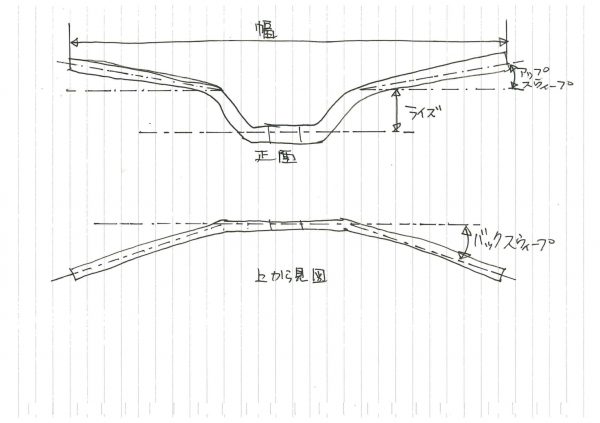
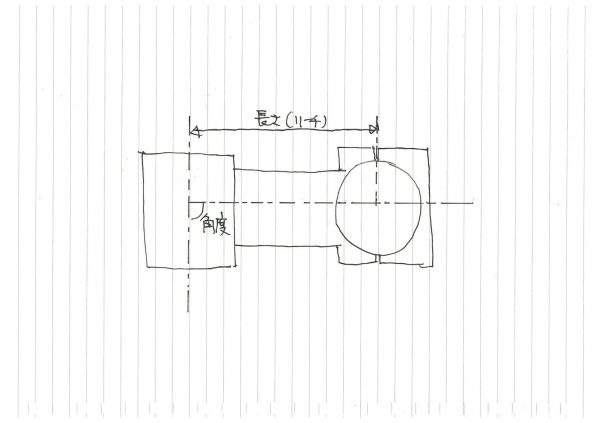
Stems have the following sizes:
- Length (Reach)
- Angle
- Clamp diameter
There are many factors, but at first, I think it's sufficient to choose only the following:
・Handlebar: Rise and Width
・Stem: Length (Reach)
However, be sure to match the clamp diameter of the handlebar and stem. For mountain bikes, a 35mm clamp diameter is recommended.
How do different sizes affect the ride?
While width is a matter of preference, too narrow can make handling too sensitive, and too wide can make it difficult to exert force. Imagine doing push-ups: too narrow is unstable, and too wide is tiring. If it's too long, you can cut it to adjust.
A larger rise will make your body more upright and improve handling.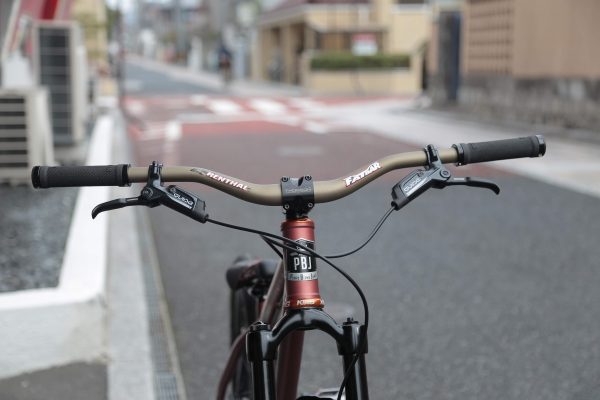
Lowering it puts you in a more forward-leaning position, making climbs and cruising easier.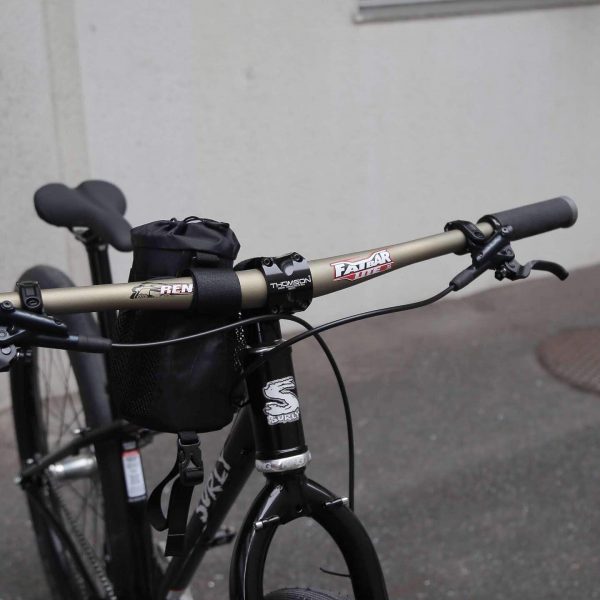
A shorter stem brings the handlebars closer, improving maneuverability.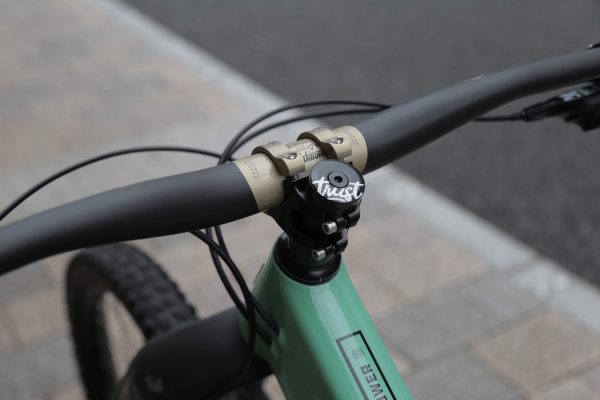
Lengthening it moves the handlebars further away, creating a more relaxed posture that makes climbing and cruising easier.
To give a concrete example,
If you want to enjoy trail riding or downhill in the mountains, a short stem of about 40mm and a handlebar with about a 30mm rise would be good.
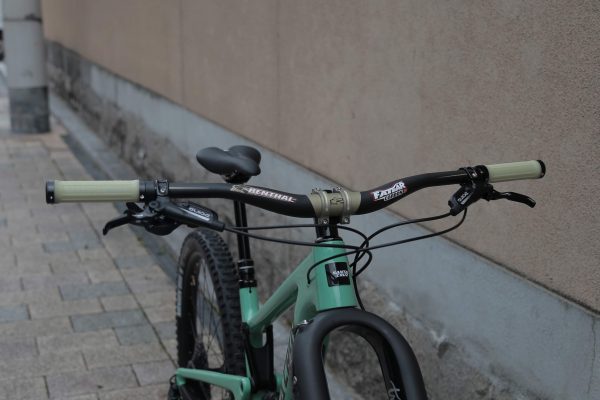
Bringing the handlebars closer and higher raises your upper body and naturally shifts your center of gravity backward, making you less likely to go over the handlebars, thus increasing your sense of security.
Lowering and extending the handlebars moves the center of gravity forward, making descents more intimidating.
While it looks cool if you can handle it, it requires precise weight shifting, so it's a setup for advanced riders.
For beginners, it's better to choose a setup that's easy to enjoy rather than an aggressive one.
Things change slightly for city riding
If you primarily ride in the city, a slightly longer stem, around 60mm, is recommended.
Short stems of around 40mm might feel cramped for city riding, where you often ride while seated. A slightly longer stem will allow for a more relaxed posture, making on-road travel more comfortable.
Knowing the size of your current handlebars and stem provides a baseline, making it easier to choose new ones.
First, determine your current measurements, then consider what you'd like to change.
If you're unsure about your current setup, you can bring your bicycle in for direct advice and even replacements.
View in online shop ☞ MTB handlebars
View in online shop ☞ MTB stems